
Why Mission-Critical Infrastructure Is the Backbone of Modern Business
In today’s digital economy, businesses rely heavily on uninterrupted access to data, applications, and communication systems. Whether it is a financial institution processing transactions, a hospital managing patient records, or a telecommunications provider supporting millions of users, the availability of critical infrastructure directly impacts operational success.
As organizations continue to embrace digital transformation, the need for resilient, efficient, and scalable mission-critical infrastructure has never been greater.
Understanding Mission-Critical Infrastructure
Mission-critical infrastructure refers to the systems and technologies that must remain operational at all times. These typically include:
- Uninterruptible Power Supply (UPS) systems
- Precision cooling solutions
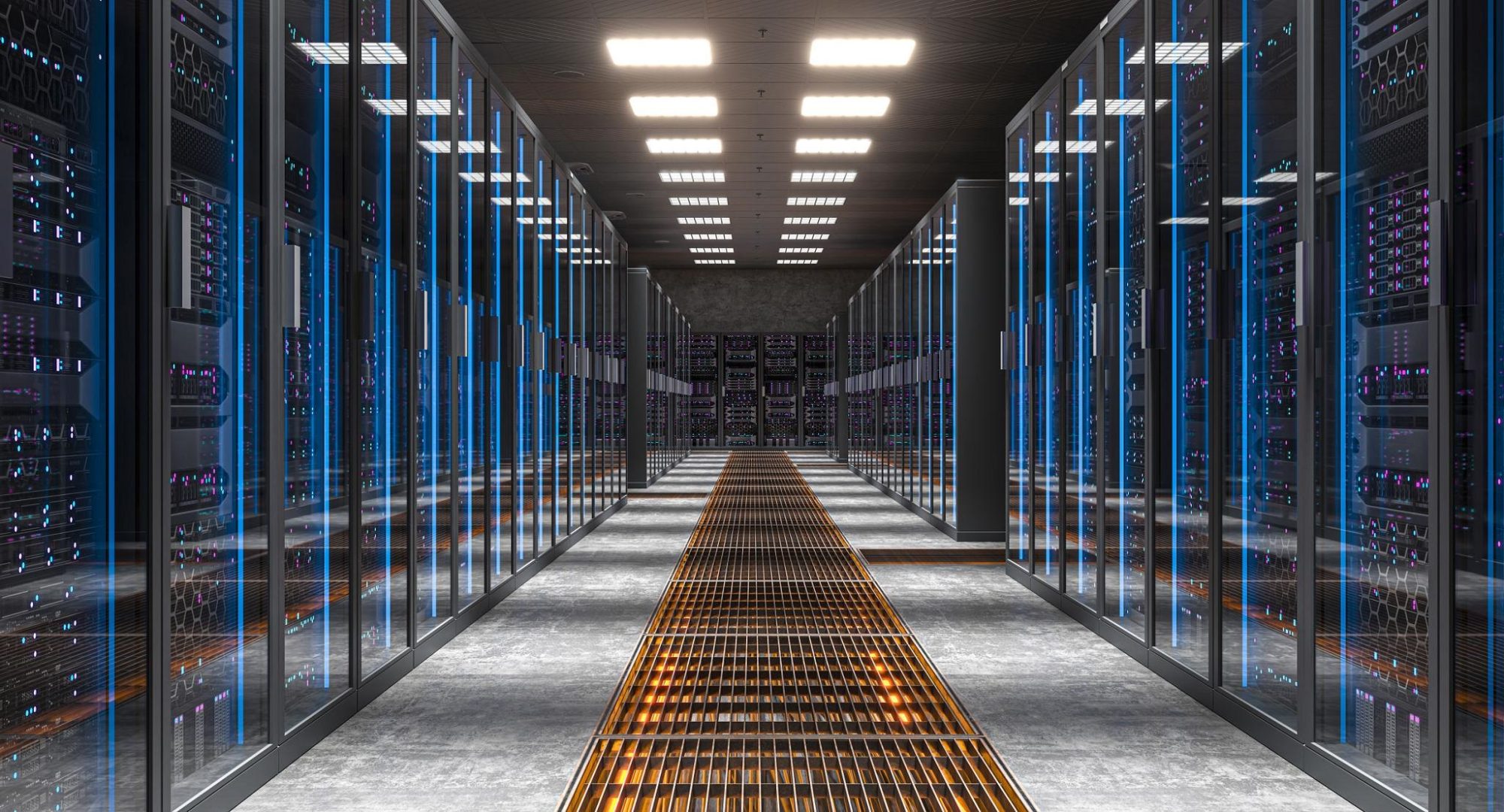
- Data center infrastructure
- Remote monitoring and management platforms
- Thermal management systems
- Backup power solutions
Any disruption to these systems can result in operational downtime, financial losses, reputational damage, and compromised customer experiences.
The Growing Cost of Downtime
Research consistently shows that the cost of downtime continues to rise as organizations become increasingly dependent on digital services. Even a few minutes of unplanned outage can affect productivity, customer trust, and regulatory compliance.
For industries such as banking, healthcare, manufacturing, telecommunications, and government services, continuous availability is not merely a business objective—it is a necessity.
The Role of Clean and Reliable Power
Power quality remains one of the most critical factors in ensuring business continuity. Voltage fluctuations, power surges, and unexpected outages can damage sensitive equipment and disrupt operations.
Modern UPS systems and power management solutions provide:
- Continuous power protection
- Enhanced equipment lifespan
- Reduced operational risks
- Improved energy efficiency
Investing in reliable power infrastructure allows organizations to maintain operations even during utility interruptions.
Precision Cooling: Protecting Critical Equipment
As computing power increases, so does heat generation within data centers and equipment rooms. Excessive heat can reduce equipment performance, shorten hardware lifespan, and increase the risk of system failure.
Precision cooling solutions are designed to maintain optimal environmental conditions by:
- Regulating temperature and humidity
- Improving equipment reliability
- Enhancing energy efficiency
- Supporting higher-density computing environments
Effective cooling is no longer optional; it is a fundamental component of modern infrastructure strategy.
The Importance of Monitoring and Visibility
Organizations cannot effectively manage what they cannot see. Advanced monitoring platforms provide real-time visibility into power systems, cooling infrastructure, environmental conditions, and equipment performance.
Benefits of continuous monitoring include:
- Early fault detection
- Predictive maintenance
- Reduced downtime
- Improved operational efficiency
- Better decision-making through data analytics
By proactively identifying potential issues, businesses can address problems before they escalate into costly outages.
Building for the Future
The rapid growth of cloud services, artificial intelligence, edge computing, and IoT technologies is placing new demands on infrastructure environments. Organizations must design systems that can scale efficiently while maintaining high levels of reliability and performance.
Future-ready infrastructure should prioritize:
- Scalability
- Energy efficiency
- Sustainability
- Remote management capabilities
- High availability and redundancy
Businesses that invest in resilient infrastructure today position themselves for long-term growth and operational excellence.
Conclusion
Mission-critical infrastructure serves as the foundation upon which modern organizations operate. Reliable power, precision cooling, intelligent monitoring, and integrated management solutions help businesses maintain continuity, protect assets, and support future expansion.
As technology continues to evolve, organizations that prioritize infrastructure resilience will be better equipped to meet customer expectations, maintain competitiveness, and thrive in an increasingly digital world.